Three kinds of traditional Chinese medicines have been banned by the National Pharmacopoeia, and they are nephrotoxic and carcinogenic. Don’t think they are good medicines.
"I don’t deserve to be a mother. I killed the child." In the hospital, Ms. Zhang cried bitterly.
Ms. Zhang’s 15-year-old son is a child with excellent academic performance. He often plays basketball downstairs in the community after studying.
After playing basketball two days ago, my son came back very thirsty. He saw a large glass of water on the table and drank it without asking what it was. After drinking it, he developed nausea, vomiting and dizziness.
Ms. Zhang used to cook in the kitchen. After hearing the movement, she ran over and saw the child tottering. There was vomit in her mouth, and she was about to stand unsteadily and fall to the ground. Scared, Ms. Zhang rushed to hold the child and asked the child what happened, but he couldn’t say a word.
Then the child was taken to the hospital for emergency treatment and was diagnosed as toxic encephalopathy. In just one hour, his symptoms became more and more serious, and the whole person curled up and could not control his movements.
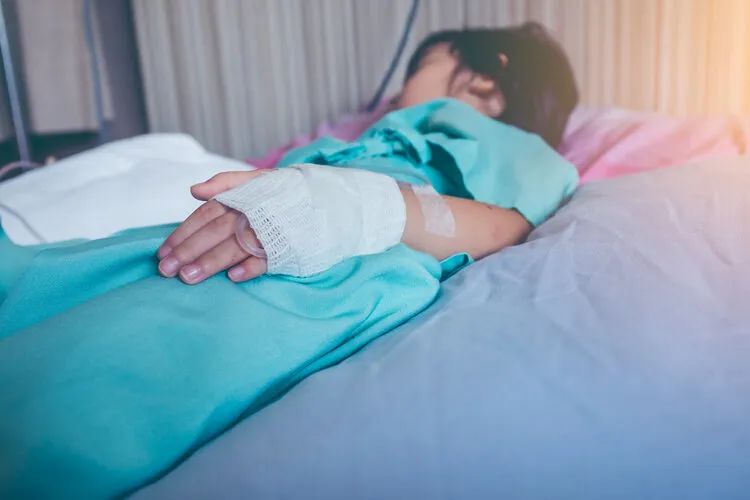
When the doctor asked Ms. Zhang if the child had eaten anything before the onset, Ms. Zhang tried to think about it, as if her son had drunk the Sophora Tonkinensis root water that she had soaked to reduce the fire. The doctor asked how much she had soaked. She said that she felt that the effect was not good in the previous times, and this time she caught two more, at least 30g.
After listening to Ms. Zhang’s words, doctors probably have a good idea. How can they abuse Chinese medicine? Ordinary people will have poisoning symptoms when they drink more than 6g of Sophora Tonkinensis root water, but Ms. Zhang’s son drank a large cup of Sophora Tonkinensis root water, which caused poisoning symptoms.
After knowing the truth, Ms. Zhang was in great pain, and a small negligence of her own actually harmed the child for a lifetime! During this period, Ms. Zhang fainted several times because of grief, but it was too late …

Common Chinese medicines should not be eaten indiscriminately.
In life, many people think that Chinese medicine has no side effects, so they buy some Chinese medicine by themselves every day. In the process of taking it, I feel that the efficacy is not obvious, and I will increase the dosage myself.
As everyone knows, it is very dangerous to do so! It is a sign of extreme irresponsibility to health. Traditional Chinese medicine needs to be treated by a professional doctor based on syndrome differentiation before taking it, and taken in strict accordance with the dosage. Blindly increasing the dosage is likely to lead to liver and kidney damage.
For example, Ganoderma lucidum, rose and other traditional Chinese medicines are warm in nature. In summer or some people who are physically hot, long-term or large-dose consumption is likely to cause the body to get angry;
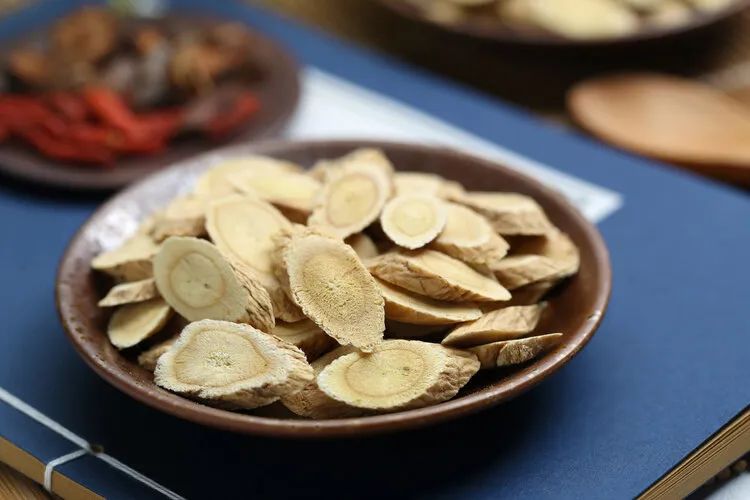
It is also a traditional Chinese medicine that many people often soak in water, because it has a good effect of invigorating qi.
However, long-term consumption of astragalus is likely to lead to abnormal symptoms such as hypertension and loss of appetite;
Traditional Chinese medicines such as pseudobulbus cremastrae seu pleiones, Polygonum multiflorum Thunb, Jiang Banxia, etc., can easily cause liver function damage if taken in large quantities for a long time, and once the damage occurs, it will be irreversible; Traditional Chinese medicines such as rhubarb and coptis root, which are bitter and cold, are likely to cause stomach pain, bloating and other symptoms if consumed in large quantities for a long time.

Three kinds of traditional Chinese medicines have been banned by the National Pharmacopoeia, and they are nephrotoxic and carcinogenic. Don’t ignore them.
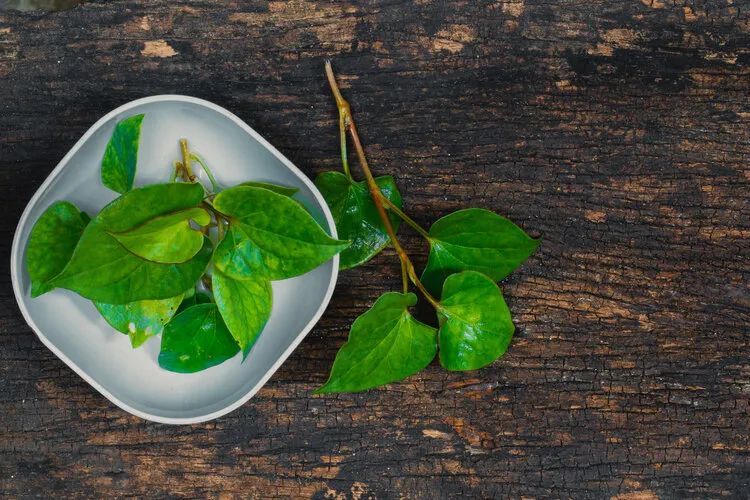
I don’t know if you have heard that Houttuynia cordata contains aristolochic acid. Eating Houttuynia cordata for a long time will not only lead to renal failure, but also cause cancer. In fact, this statement has no scientific basis.
What Houttuynia cordata contains is not aristolochic acid, but aristolochic lactam with a name similar to aristolochic acid. This substance is completely different from aristolochic acid, and there is no evidence in the medical field that aristolochic lactam can damage the liver and cause cancer. For people who love to eat Houttuynia cordata Thunb, there is no need to worry about the risk of cancer every day.
The rumored aristolochic acid does exist in a variety of Chinese herbal medicines, and what should be vigilant in daily life is the substance that really contains aristolochic acid. Aristolochic acid is an organic compound, which exists in aristolochic plants.
A study by Han Zeguang’s team from Shanghai Jiaotong University was published in the international journal Hepatology, which pointed out that aristolochic acid can directly lead to liver cancer. The researchers found that aristolochic acid can cause DNA damage in the liver of mice. The greater the intake dose, the shorter the time to cause liver cancer, and the higher the malignancy of the tumor. Han Zeguang’s team thinks that aristolochic acid can be compared with aflatoxin B1.
Then, what should be done with those Chinese medicines containing aristolochic acid?
There are many traditional Chinese medicines containing aristolochic acid, including Aristolochia manshuriensis, Radix Stephaniae Tetrandrae, Radix Aristolochiae, Rhizoma Clematidis, Herba Asari, etc. These medicines are generally used to treat rheumatism and inflammation.
With the carcinogenicity of aristolochic acid widely recognized internationally, after 2000, many countries
The use of Chinese herbal medicines of Aristolochiaceae is completely prohibited. Since 2003, China’s Food and Drug Administration has banned three Chinese herbal medicines, namely Akebia manshuriensis, Fangji and Aristolochia. The use of Chinese herbal medicines, such as Xianteng and Asarum, must be strictly managed according to the standards of prescription drugs.
In 2012, aristolochic acid was officially listed as a class 1 carcinogen by WHO, that is, a substance that is clearly carcinogenic to human body. Many studies have proved that aristolochic acid is nephrotoxic and may cause cancer of urethra and bladder.
Therefore, when taking traditional Chinese medicine, we should pay attention to vigilance. If these three kinds of medicinal materials are found, don’t think they are good drugs, stop taking them immediately and go to the hospital to check whether you are injured.
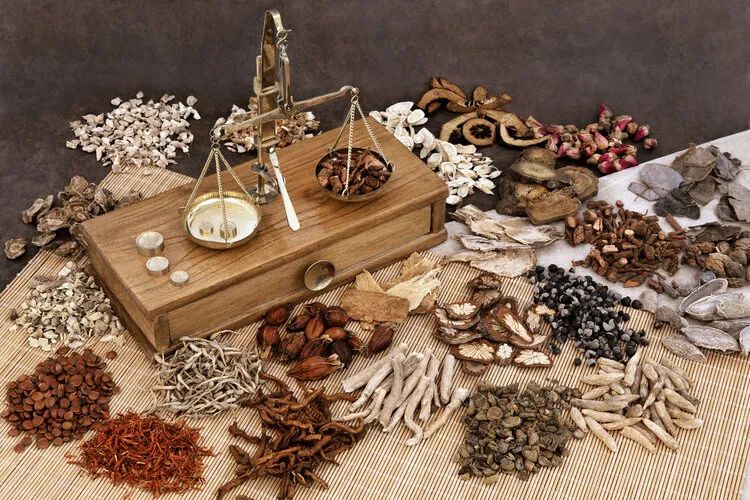

Four common misunderstandings in the use of traditional Chinese medicine, don’t make them again.
In the use of traditional Chinese medicine, we must pay attention to avoid some misunderstandings and avoid some unnecessary effects on health because of stepping into misunderstandings.
Myth 1: Chinese medicine is health preservation.
Many people think that Chinese medicine has no side effects naturally, and it is often eaten as a health care product in daily life. This idea is very wrong! The sentence "three-point toxicity of medicine" is also applicable to traditional Chinese medicine. Eating traditional Chinese medicine is more for treating diseases than preserving health. Before eating, professional doctors are needed to treat symptoms, rather than blindly preserving health.
Myth 2: The more expensive Chinese medicine is, the better.
The more expensive Chinese medicine is, the scarcer it is, but it doesn’t mean that the curative effect is better. The use of traditional Chinese medicine needs to pay attention to the taboo of compatibility, one person and one side, and it is the best that suits oneself, instead of blindly pursuing expensive traditional Chinese medicine. It is a waste to take medicine without symptoms.
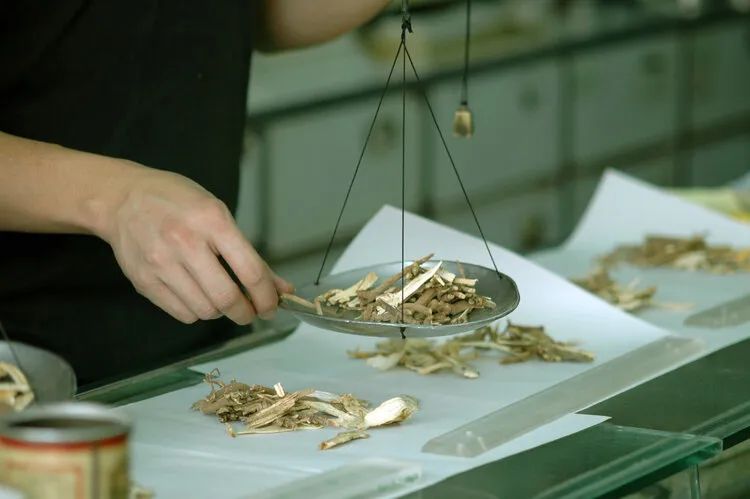
Myth 3: The greater the dose, the better the effect.
Some people, after taking traditional Chinese medicine several times a day, feel that the dosage is not enough after not seeing obvious effects, and even blindly increase the dosage, which is very dangerous. Taking large doses of traditional Chinese medicine is easy to break the balance of the body and cause chronic poisoning.
Myth 4: Old prescriptions must be reliable.
There are many classic ancient prescriptions handed down in ancient China, and many people will blindly use them. The prescription of traditional Chinese medicine is not static, and professional doctors will adjust the medication and improve the prescription according to the specific situation of patients. Blindly believing in old prescriptions will easily delay your correct medication.
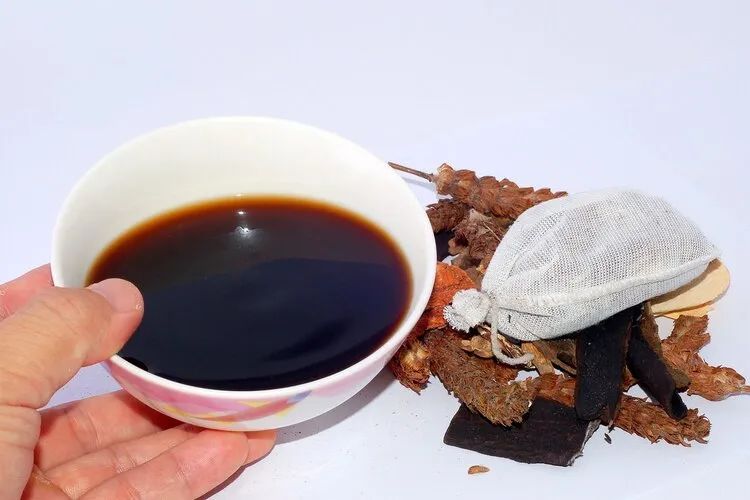
Xiao Miao reminds here that Chinese medicine does have its unique advantages in treating some diseases, but it should not be blindly superstitious. The use of traditional Chinese medicine must be guided by a professional doctor and strictly follow the dosage. Don’t be greedy and increase the dosage by yourself, which may easily lead to threats to your health.
References:
[1] "Five common cognitive misunderstandings in the use of traditional Chinese medicine, don’t step on the pit! Health Times. 2021-04-24
[2] It is confirmed that aristolochic acid "can directly cause liver cancer"! Attention should be paid to these traditional Chinese medicines. Medical field. 2019-08-01.
[3] "Drink health-preserving herbal tea without asking Chinese medicine, and your kidneys, liver and stomach are all begging for relief". Life Times .2018-08-11
Original title: "Three kinds of traditional Chinese medicines have been banned by the National Pharmacopoeia, and they are nephrotoxic and carcinogenic, so don’t think they are good drugs."
Read the original text