Repeated iterations, quality improvement … to create astronauts’ "first class business trip"
CCTV News:The launch of Shenzhou 17 manned spacecraft was a complete success. Since shenzhou spaceship entered the construction stage of China Space Station, the structure of the spacecraft has been finalized. Will there be any new improvements in shenzhou spaceship?
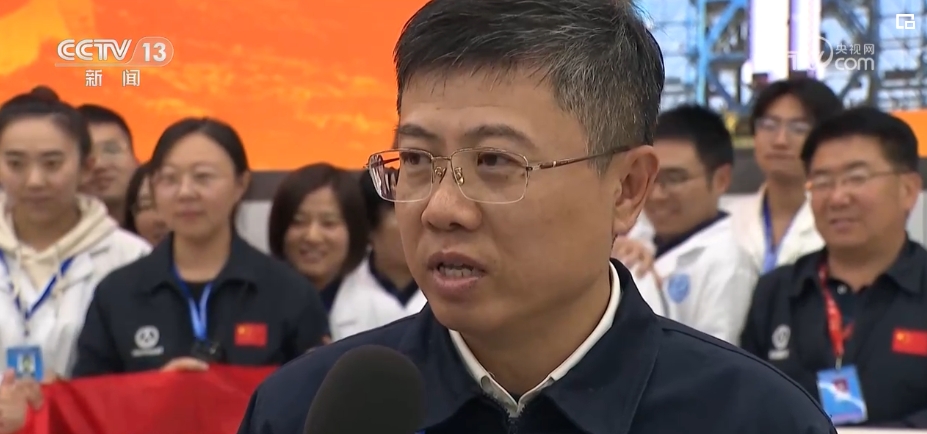
Yu He, Commander-in-Chief of shenzhou spaceship, Fifth Academy of Aerospace Science and Technology Group:The reliability of the spacecraft has been continuously improved. Starting from the next batch of shenzhou spaceship, the uplink and downlink capacity of shenzhou spaceship will be greatly improved, and the maximum capacity will be improved by nearly 300%, which can better support the operation of the space station.
Over the past 20 years, shenzhou spaceship has been continuously improved and upgraded.
On October 15th, 2003, astronaut Yang Liwei was successfully launched in Shenzhou 5 manned spaceship. The vast space ushered in the first Chinese, and China became the third country in the world to independently master manned space technology. The development of manned spacecraft in China pressed the "fast forward button". In the past 20 years, from Shenzhou-1 to Shenzhou-17, with the development of China’s manned spaceflight project, Shenzhou series spacecraft have also completed many iterations, and their safety and reliability have been qualitatively improved.
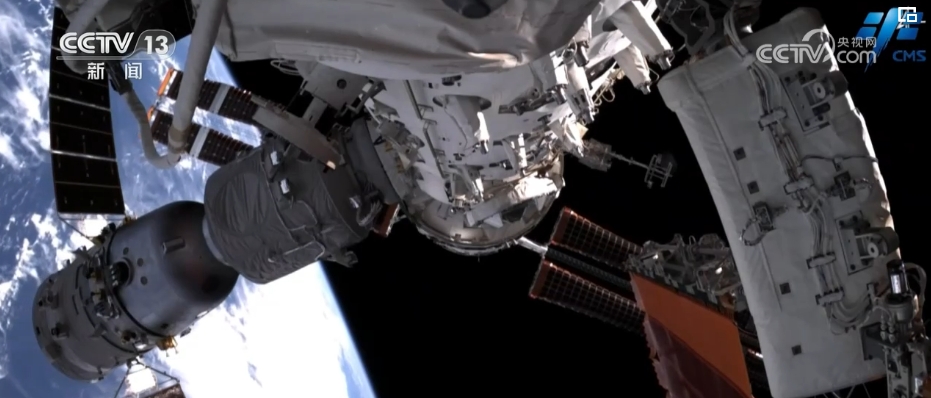
The development of manned spacecraft is divided into three stages, which is consistent with the "three-step" development of manned engineering in China. With the constant change of mission content and increasing difficulty, Shenzhou series spacecraft have made many improvements in appearance and technology.
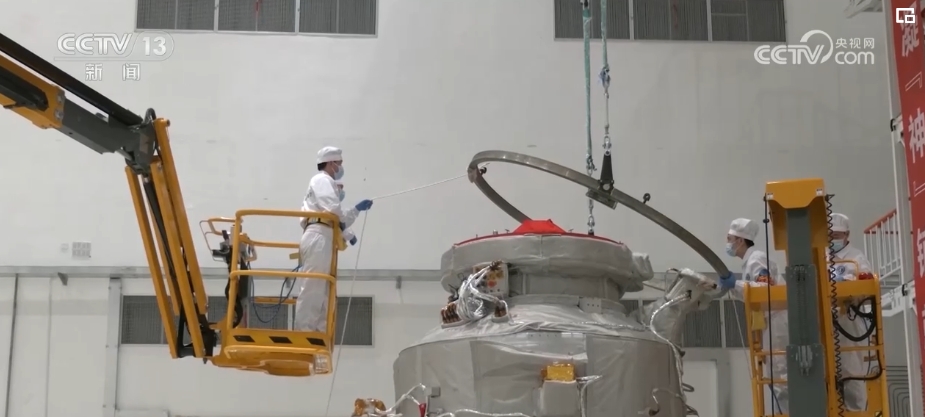
Yan Jie, developer of the Fifth Academy of Aerospace Science and Technology Group:The additional section originally existed, and it was designed from the very beginning to connect with other aircraft. Later, during Shenzhou VII (mission), due to the extravehicular task, the additional segment was cancelled according to the mission characteristics, and the corresponding technical adjustment of extravehicular function was carried out on the orbital module. Shenzhou-8 adopts docking mechanism and Tiangong-1 to realize rendezvous and docking technology. From Shenzhou 12 to Shenzhou 15, considering the need for a new stage of space station application and development, the technology was solidified.
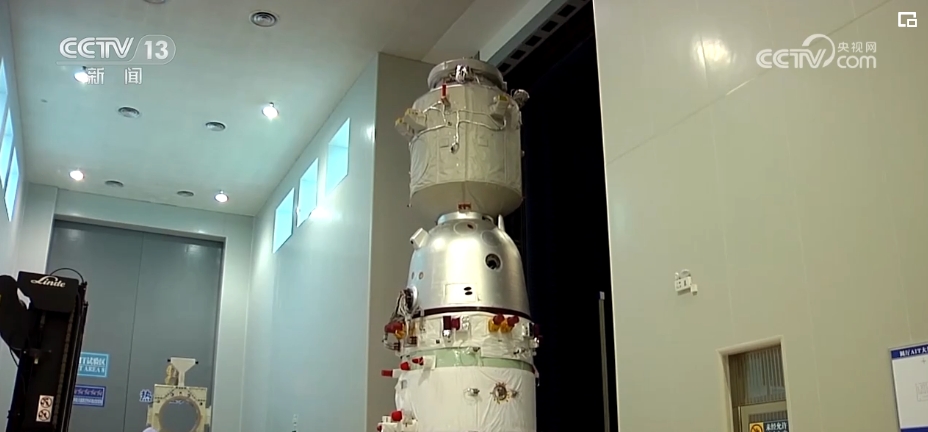
Nowadays, the development of manned spacecraft has been increased from one ship every two to three years to two ships a year, realizing batch design and production. At the same time, the launching process has also been optimized, and the launching process of one spacecraft has been compressed from more than 50 days to more than 40 days to complete the launching of two spacecraft. China manned spacecraft has the ability to meet the challenge of high-density launch.
The ride is more comfortable and the work efficiency is greatly improved.
Shenzhou series manned spacecraft should not only undertake the task of sending astronauts into space, but also send them back to earth safely after completing the on-orbit mission. This requires shenzhou spaceship to be more comfortable and convenient at the same time with high reliability, so as to improve the control efficiency of astronauts.
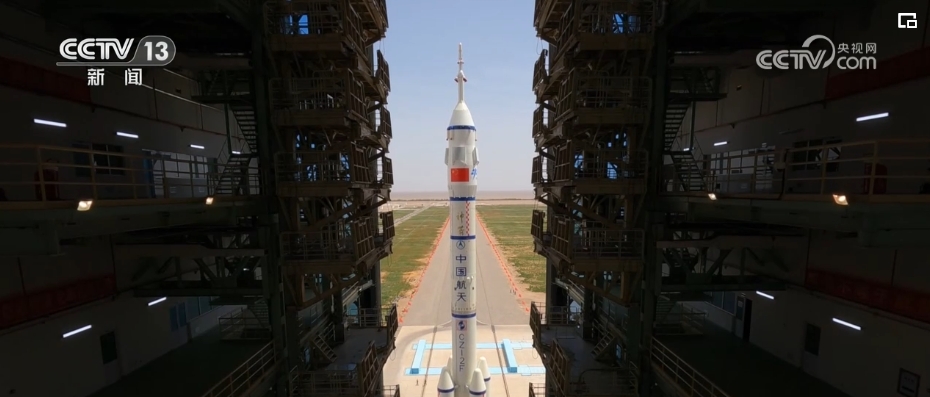
With the increasing number of manned missions, the rendezvous and docking time and return time of Shenzhou spacecraft have been further optimized in order to meet the needs of astronauts’ round-trip mission between the space station and the earth, which greatly improves the work efficiency of the space station mission.
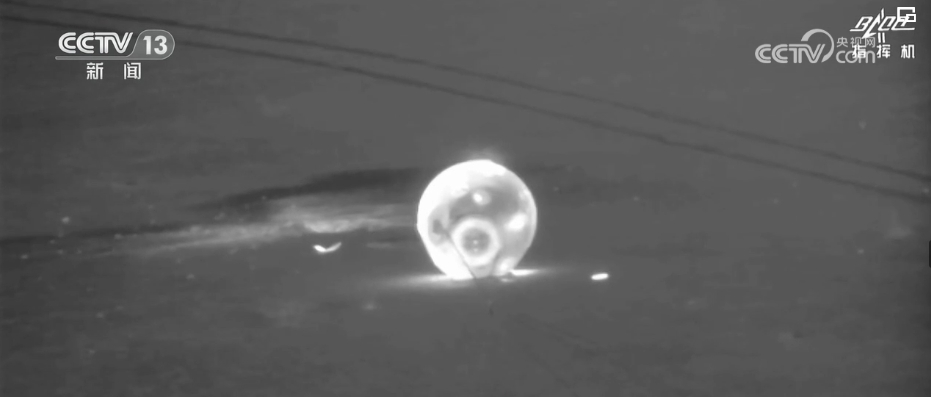
Yan Jie, developer of the Fifth Academy of Aerospace Science and Technology Group:Originally, the rendezvous and docking was 2 days, but now it is 6.5 hours fast (fast) (docking). It used to be a day to return, but now it only takes a few hours. These aspects are a technical breakthrough and improvement.
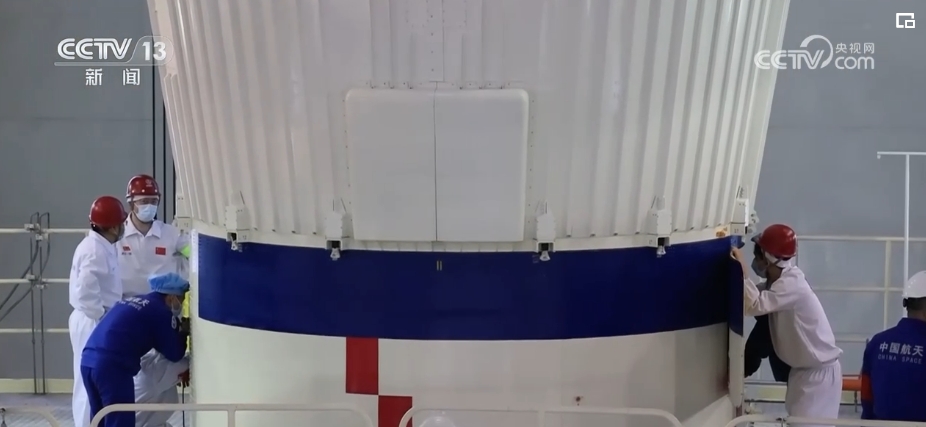
Not only has the rendezvous and docking efficiency been improved, but also the time for astronauts to reach their destinations and go home has been shortened. Researchers have also continuously improved the comfort of manned spacecraft and created a "first class business trip" for astronauts.
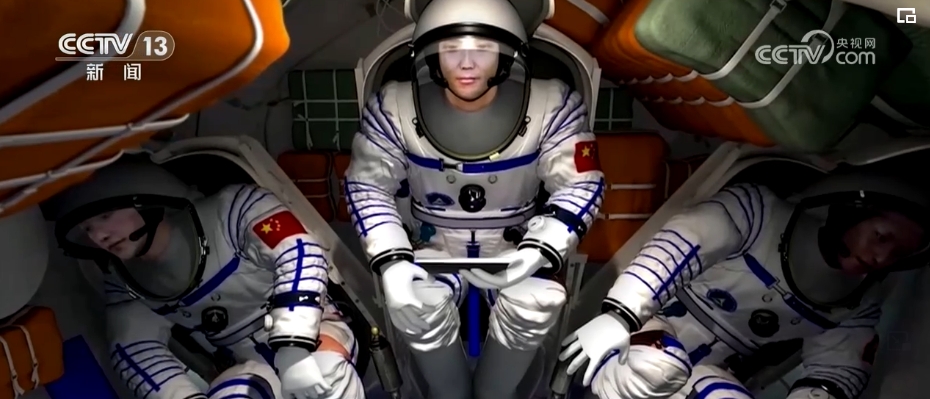
Yan Jie, developer of the Fifth Academy of Aerospace Science and Technology Group:We have improved the technology of the seat, making the astronauts more comfortable, buffering the impact energy when returning, and improving the comfort of the astronauts. We even adjusted the display mode of (instrument parameters), all in order to better conform to the concept of ergonomic design and make astronauts perform tasks more efficiently.